
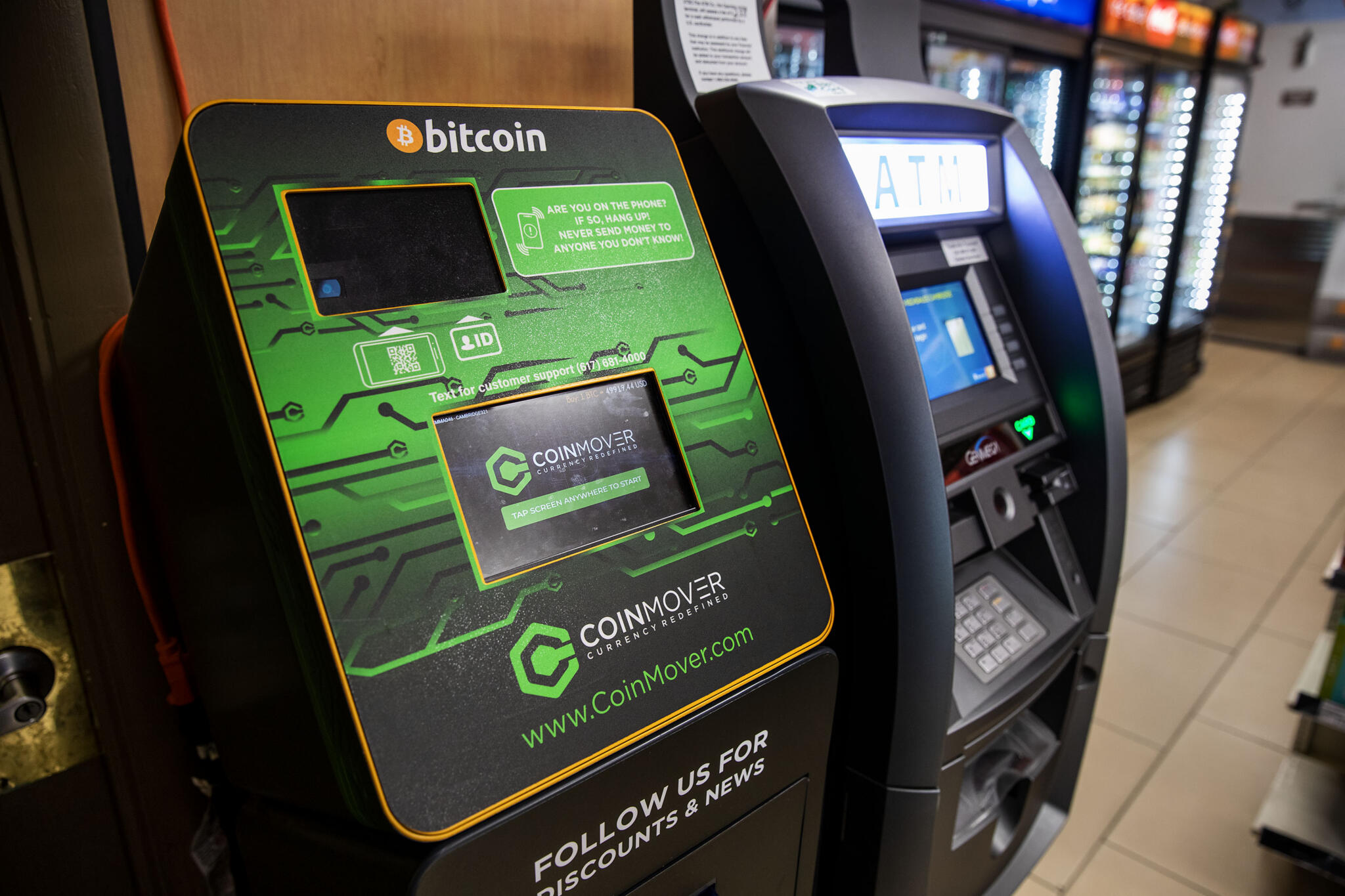
States and cities are taking quick action to ban cryptocurrency kiosks across the country. Local leaders are moving to remove these cash machines because scam cases keep mounting. This new effort aims to protect residents from losing their hard-earned money to local fraud.
Why are cities banning cryptocurrency kiosks today?
Local governments are stepping in because bad actors use physical machines to steal money. Many people get tricked into depositing cash into a kiosk to solve a fake problem. Once the cash goes into the machine, the victims lose their funds instantly. You can read more about cryptocurrency and crime to see how scammers exploit new tech.
City officials say normal residents often fall for these simple tricks. Fraudsters pressure victims over the phone and send them directly to a local machine. Removing the physical cash access points makes it much harder for thieves to complete their traps. Local police departments strongly support these new local bans.
What are cryptocurrency kiosks and how do they work?
A kiosk is a physical machine that looks and works a lot like a normal bank ATM. Instead of giving you cash from your bank, it takes your paper money to buy digital coins. People can use them to make quick cash trades in public places like gas stations and grocery stores.
Users put paper bills directly into the machine slot to buy coins. The machine then sends the digital cash to a private digital wallet address. A basic understanding of cryptocurrency helps show why these transactions happen so fast. Because the transactions move in seconds, the lost money is nearly impossible for police to trace or recover.
How will these new kiosk bans protect ordinary people?
These new state and city bans will remove cash machines from local convenience stores and shops. Taking away the physical boxes creates a major speed bump for active phone scams. Victims will no longer have a fast place to deposit cash while a scammer keeps them on the phone.
Lawmakers hope these new rules will lower overall fraud numbers in their hometowns. Public warnings have not stopped every scam, so leaders are cutting off the physical tools instead. Here is what ordinary consumers can expect to see next as these bans spread:
- Fewer crypto machines inside local gas stations and neighborhood corner stores.
- Fewer target spots for phone scammers who demand fast cash payments.
- More local debates as other states decide whether to ban the machines too.
What should you watch for as more states act?
You should expect more state capitals and city halls to propose matching bans soon. As news of successful bans spreads, neighboring towns will likely follow the exact same path. Local leaders want to make sure fraud does not simply hop over the city line into the next town.
Kiosk owners and machine operators may fight these rules to keep their devices running. But consumer safety advocates argue that public safety comes long before private machine profits. Readers should keep an eye on local city council votes over the coming weeks to see if their area is next.
